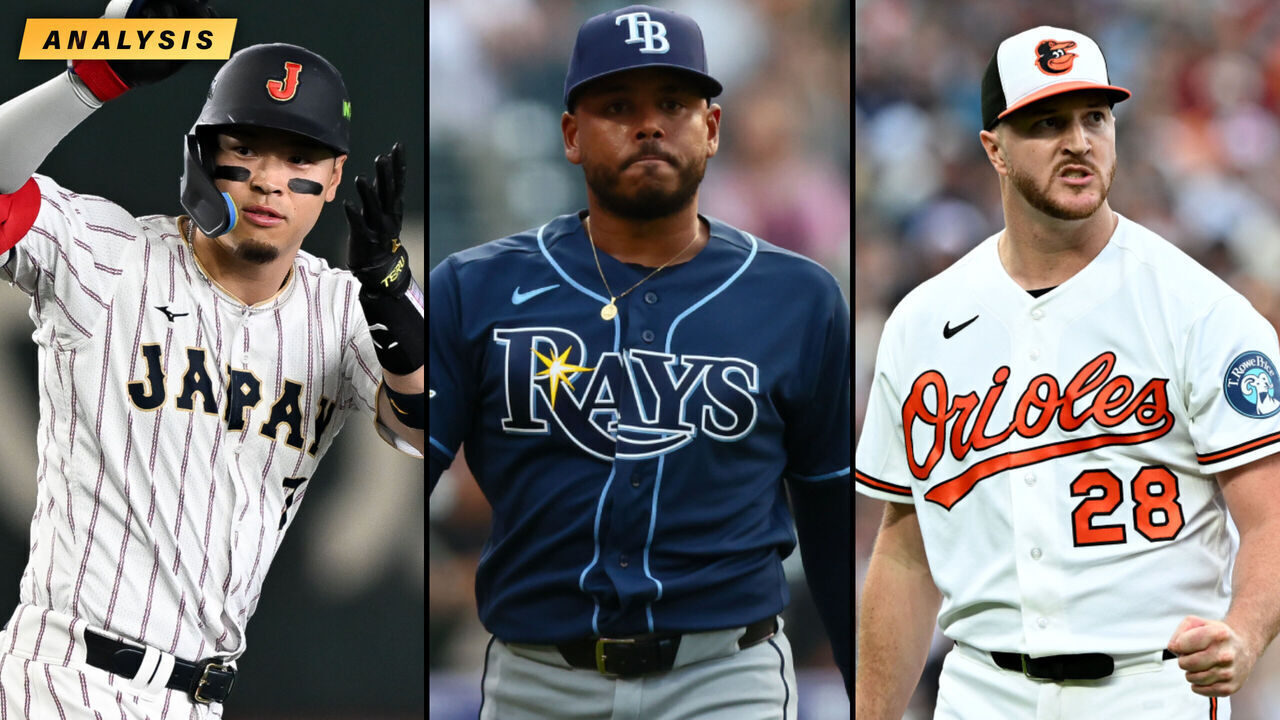
The MLB offseason is underway. Follow along for analysis of all major transactions over the winter.
Jump to:
Teruaki Sato I Freddy Peralta I Trevor Rogers I Tarik Skubal I Sonny Gray I Jake Bauers I Dustin May I David Bednar I Maikel Garcia I Luis Castillo
Nov. 24
Blue Jays add 5-foot-8 Japanese starter Kaima Taira
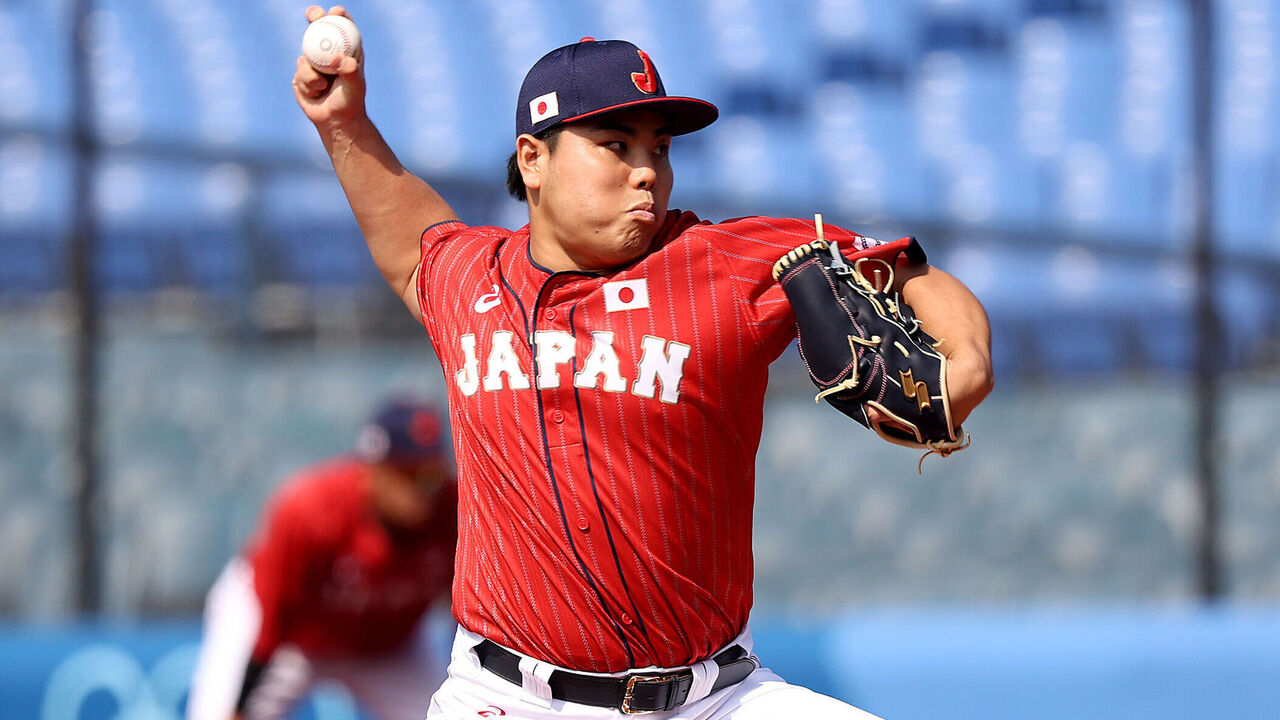
The Blue Jays signed the most unique player available this winter.
Right-handed starter Kaima Taira stands 5-foot-8 and 209 pounds, throws eight different pitches, and absolutely dominated during his eight seasons in Japan, although he spent several of them as a reliever.
Despite his stature, Taira can hit 100 mph, and his delivery adds plenty of deception. He's coming off a season in which he posted a 1.36 ERA, 0.96 WHIP, 8.7 K/9, and a ridiculous 0.2 HR/9. He allowed four home runs in 146 innings and surrendered only 21 homers (0.3 HR/9) in 592 career frames. Though it's difficult to compare NPB and MLB stats, Chris Sale led all qualified starters with a 0.55 HR/9 last season.
Kaima Taira has a 0.68 ERA through 53 IP At 5’8, 218 lbs with a fastball that can touch 100, King Kaima is quickly becoming one of my favorite pitchers on the planet 🇯🇵 https://t.co/VCrVjE8Db5
— Shawn Spradling (@Shawn_Spradling) May 27, 2026
The Blue Jays have invested heavily in the Asian market in recent years and have signed multiple players (Kazuma Okamoto and Cody Ponce) out of either Japan or Korea. They also heavily pursued Shohei Ohtani and are expected to be interested in signing Seiya Suzuki.
The front office has clearly prioritized pitchers with unique arm slots who can keep the ball in the park. Dylan Cease and José Soriano both ranked in the top 20 in HR/9 last season. The Blue Jays have been enormously successful at maximizing their pitchers' potential in recent years, and it will be fascinating to see how they deploy Taira.
Kaima Taira's average release height in 2026 was 4.94 feet, yet his fastball sat at 95.8 and touched 99+ MPH. Only six big leaguers hit 99+ MPH while hucking it from down low like last year. He's a different cat, and an extremely intriguing addition to the Blue Jays' rotation.
— Jonah Birenbaum (@birenball) November 24, 2026
With Taira, however, comes the risk of the unknown. Many NPB pitchers fail to adjust to the majors, so the Blue Jays are heavily betting on his ceiling. But there's an argument to be made that no pitcher remaining on the free-agent market has Taira's potential upside. Even if Taira ends up being a mid-rotation or back-end starter, his $16-million AAV looks quite reasonable, especially considering that Cleveland gave Kris Bubic $17.5 million for one year earlier Tuesday.
Toronto now has nine starting pitchers signed through at least 2028, with its core of Cease, Taira, Trey Yesavage, and Spencer Miles locked in through at least 2031. Upgrading the offense remains the priority, but the Blue Jays really needed to add at least one starter after using 16 last season, with just two of them - Cease and Kevin Gausman - throwing over 100 innings. The team's CBT payroll now sits at roughly $252 million.
Orioles make Peralta richest pitcher in franchise history
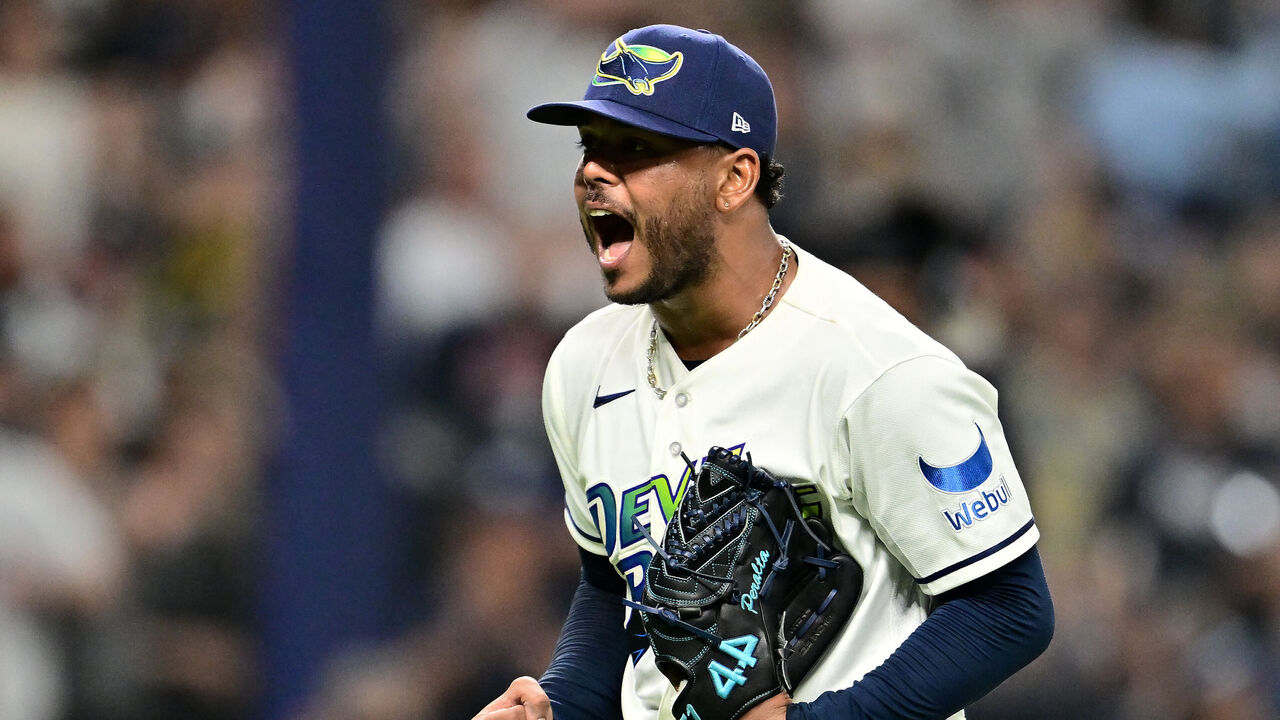
The trade that brought Freddy Peralta to the Mets last winter was one of the worst things that could have happened to him. The deadline trade that sent him to the Rays months later might be the best.
Peralta struggled to begin last season in New York, but he was a completely different pitcher in Tampa Bay. That's a huge reason Baltimore was willing to sign him to the richest deal for any pitcher in the franchise's history. Peralta went from potentially signing a one-year prove-it deal to inking one of the biggest contracts of any pitcher this offseason.
Peralta will fill the void in the Orioles' rotation left by Trevor Rogers' departure to the Cubs. Rogers' signing set the market for the second tier of pitchers, and Peralta beat his deal by $5 million. Baltimore nets a compensation pick from Rogers' exit and doesn't have to sacrifice one to sign Peralta, who was ineligible to receive a qualifying offer. There's an argument to be made that Baltimore would have been better off re-signing Rogers, but time will tell.
The 31-year-old Peralta's been one of the most durable starters in the majors. He's one of just two pitchers who's made at least 30 starts in each of the last four seasons. Peralta hasn't landed on the IL since 2022, when he dealt with shoulder inflammation.
There's certainly value in durability - although every pitcher is healthy until they suddenly aren't. However, there are significant questions about what caliber of pitcher Peralta will be during this contract. Can he recapture the All-Star form he displayed with the Brewers?
Peralta put up huge strikeout totals (11 K/9) during his time in Milwaukee, but those numbers tumbled in 2026. His 8.9 K/9 in 22 starts with the Mets dipped further in Tampa Bay (7.0) as he relied more on a changeup. However, Peralta did manage to decrease his BB/9, HR/9, and H/9 with the Rays. Tropicana Field benefited him significantly: He pitched to a 1.69 ERA and 0.75 WHIP in four starts at home, compared to a 4.24 ERA and 1.18 WHIP in six road outings. He was the 2026 ALCS MVP, although he struggled during the World Series.
We've seen countless examples of the Rays and Brewers maximizing a pitcher's skill set, only for that player to struggle to reach the same level elsewhere. That isn't to say Peralta won't have success with the Orioles, but his decreased strikeouts and increased hard-hit rate could be warning signs.
Baltimore is at a critical juncture. The team has failed to win a playoff series with this core and is coming off back-to-back losing seasons. Pete Alonso, Kyle Bradish, Samuel Basallo, Shane Baz, and Peralta are all signed long term, but star shortstop Gunnar Henderson is a free agent after next season. The front office should be operating with urgency, and it's been good to see ownership's commitment to spending in free agency in the last two years.
Peralta's addition makes the Orioles a better team today, though they still lack a true ace to lead the rotation. There's plenty left to do this winter.
Cubs continue to load up with addition of Japanese star Sato
It's been an incredible 12 hours for the Cubs.
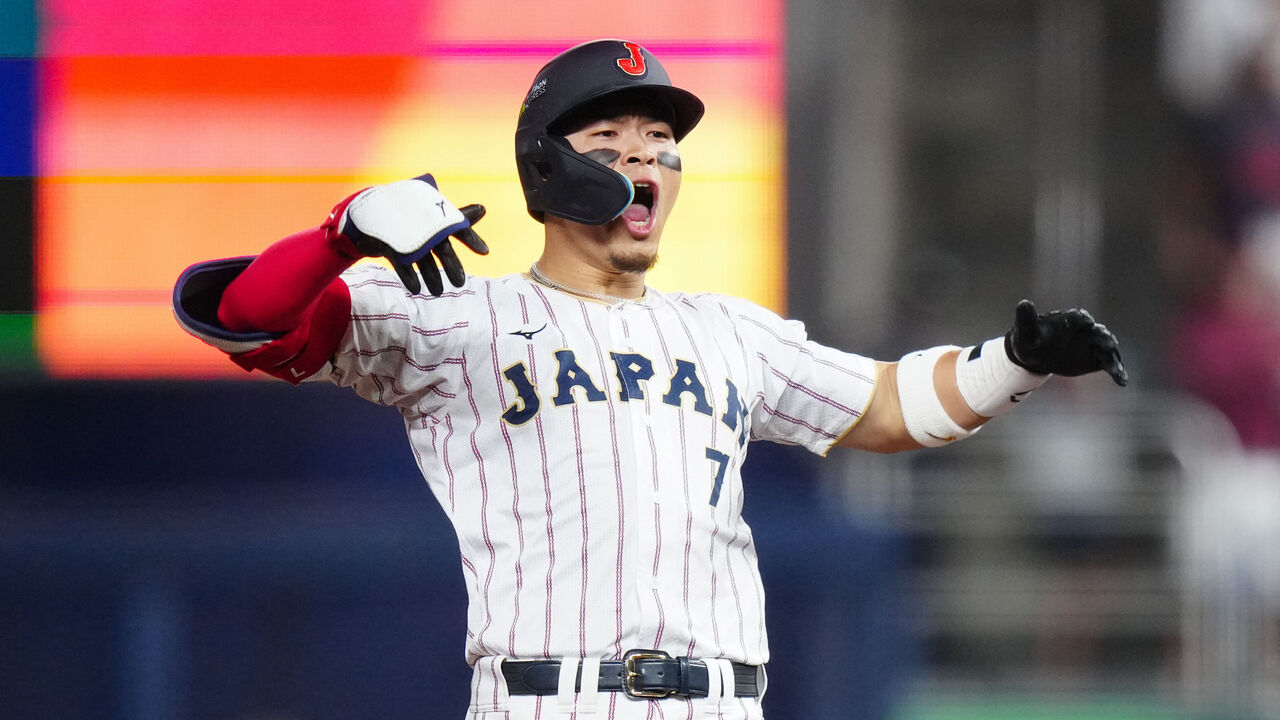
After inking Trevor Rogers to help bolster a depleted rotation, president of baseball operations Jed Hoyer dipped into the Japanese market by adding NPB star Teruaki Sato on a six-year, $120-million deal. That's $240 million committed to two players who should give a huge boost to a team in desperate need of major additions after numerous departures.
With Alex Bregman locked in at third base, Sato will likely serve as the replacement for either Ian Happ or Seiya Suzuki in a corner outfield spot. There's tremendous risk in handing that much money to someone who's never played in the majors, but Japanese players have proven in recent years that they can acclimate quickly to MLB. While the Cubs could still bring Suzuki back, it's interesting that they're potentially willing to let him walk after an excellent season in order to sign a player who's more of an unknown quantity. Sato's age - he's five years younger - and defensive versatility were likely significant factors in the decision.
There are numerous reasons to believe Sato will be an impact player in the majors. He slashed .306/.383/.609 with 39 homers, 106 RBIs, .991 OPS, and a ridiculous 196 wRC+ in 143 games with Hanshin last season, winning the league's Triple Crown. Similar to Munetaka Murakami, Sato comes with some swing-and-miss concerns, as he struck out 27% of the time last season. Murakami's strikeout rate was higher than Sato's, but he offered more raw power. After Murakami's market collapsed last winter, he signed a two-year deal with the White Sox.
Chicago's still some way off from being able to threaten the Brewers atop the NL Central, but the Cubs' spending spree has been impressive so far. They're set up well in 2027 and beyond with Sato, Bregman, Nico Hoerner, and reigning NL MVP Pete Crow-Armstrong signed through at least the 2030 season.
Nov. 23
Cubs make 1st big splash with Rogers signing
The Chicago Cubs are on the board after landing one of the top free-agent starters available this winter.
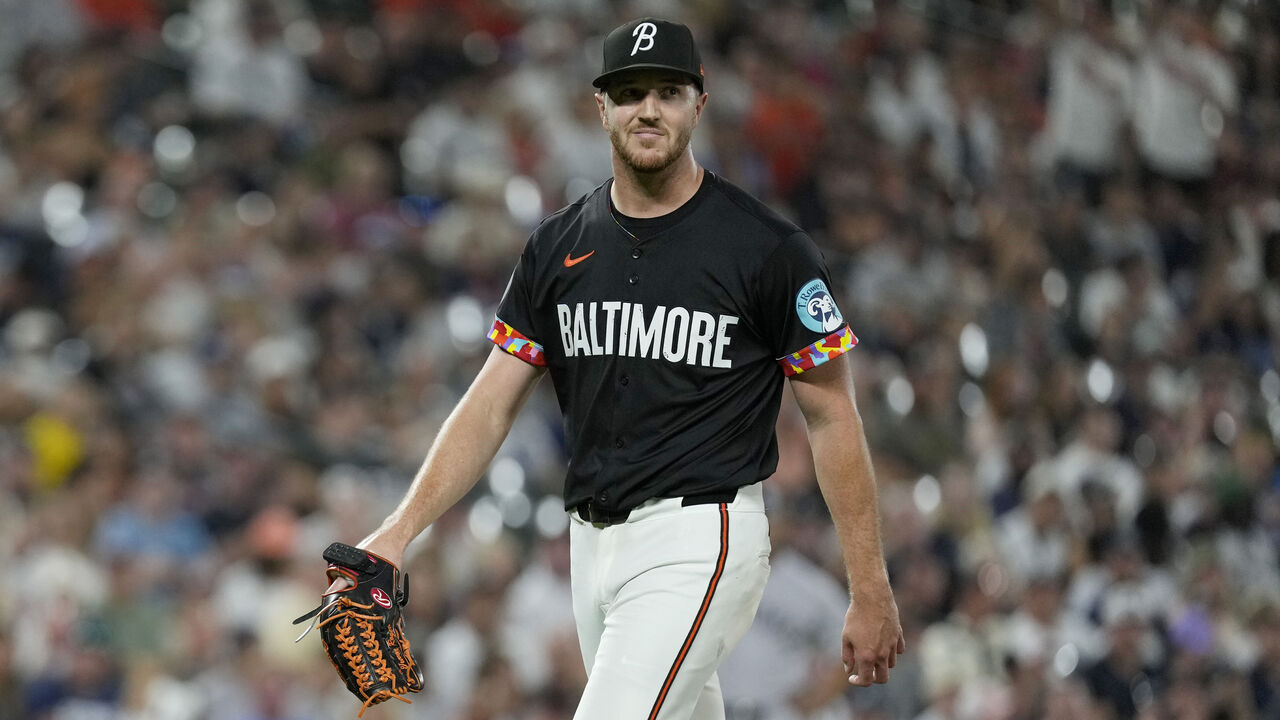
The pitching market was expected to heat up following Tarik Skubal's signing, and we only had to wait a little more than 24 hours to see Trevor Rogers ink a five-year, $120-million contract with the Cubs.
It's a pretty reasonable deal for both sides considering both the years committed and total dollars. Rogers is entering his age-29 season, making him one of the youngest starters on the open market. He's coming off back-to-back solid campaigns with the Baltimore Orioles in which he combined to post a 3.16 ERA, 3.20 FIP, 1.07 WHIP, and 260 strikeouts over 279 1/3 innings. He was brilliant in 2025, posting a 1.81 ERA over 18 innings, and while his ERA ballooned to 4.03 in 30 starts last year, he still tossed a career-high 169 2/3 innings. His 3.45 FIP and 1.19 WHIP indicate his performance was far better than his ERA would suggest.
Rogers' overall numbers were also inflated by his rough start to the season. He posted a 6.15 ERA over his first 12 outings but responded with a 2.87 ERA over his final 18 starts (109 2/3 innings). Rogers posted the highest fWAR (3.4) among AL starters from mid-June on, ahead of AL Cy Young winner Cam Schlittler and runner-up Dylan Cease.
Rogers should be a good fit at Wrigley Field given his ability to suppress home runs. His previous success in the AL East demonstrates that he can perform in some of the better offensive environments in the league. Rogers owns a career 0.9 HR/9 mark, and if he's able to keep the ball on the ground a little more, he should benefit from the elite defense behind him in Chicago.
His arrival on the North Side will be welcomed by a team that's desperate for arms. The Cubs lost Shota Imanaga, Matthew Boyd, David Peterson, Colin Rea, Clay Holmes, and Kevin Gausman to free agency. Those six starters combined to throw 535 innings for Chicago last season.
Those departures have left the Cubs' rotation a mess entering the offseason, and the remaining group comes with serious questions about health and performance. Justin Steele is set to return after missing all of last season; behind him is a mix of arms that enter 2027 with tempered expectations.
Rogers is a great start, but if Chicago is serious about at least winning the division next season, the team needs to add much more. Although the Cubs have holes throughout the roster, the front office at least has plenty of payroll flexibility after so many departures.
Rogers' deal should also give us a better indication of what to expect for Michael King and Freddy Peralta. They're arguably the top two starters remaining and are likely next in line among pitchers to land long-term contracts. Adrian Morejon remains a bit of a wild card - some teams could view him as a rotation piece, but he's primarily served as a high-leverage reliever. Either way, expect a flurry of activity before the likely lockout.
Nov. 22
Mets hand Skubal record $450M contract
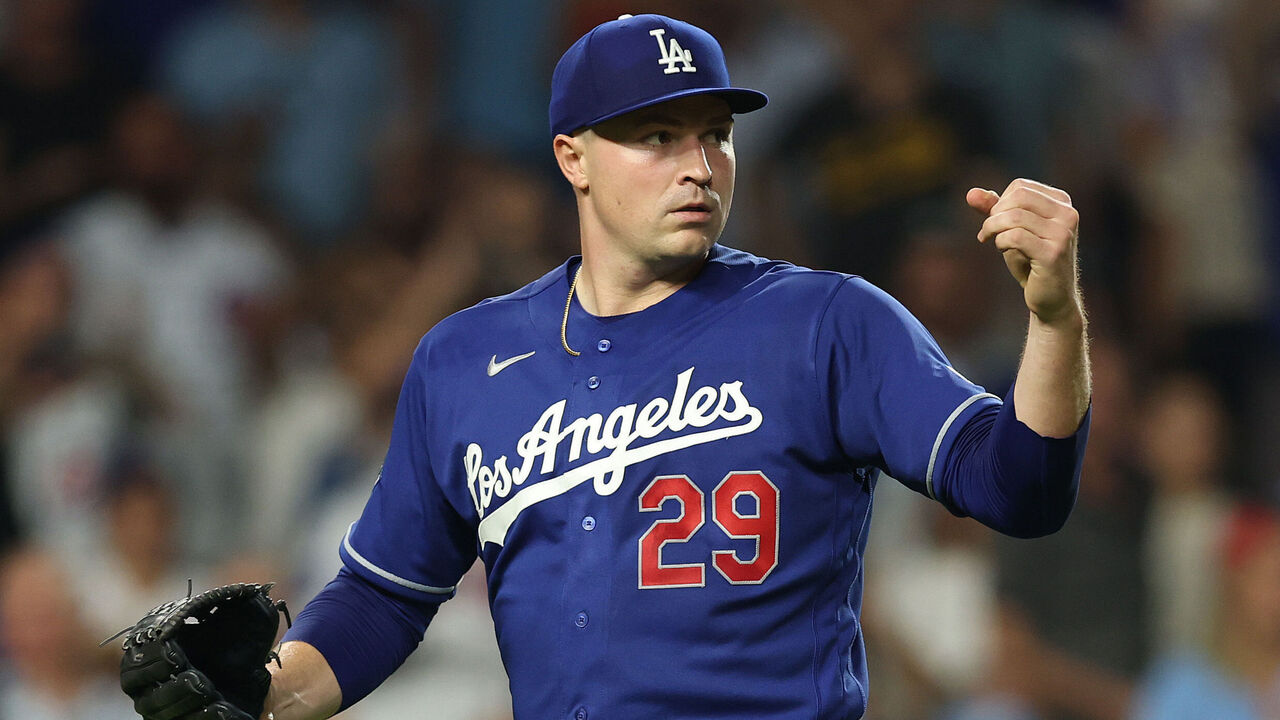
Steve Cohen clearly isn't operating like someone who believes MLB needs a salary cap. While Hal Steinbrenner and several other large-market owners preach the need to curb spending for competitive balance, the Mets' incredibly rich owner splashed out on another eye-popping investment, reportedly signing star pitcher Tarik Skubal to a nine-year, $450-million contract. If you think that's a wild amount of money, it's because it is. Skubal's jaw-dropping deal makes the left-hander the richest pitcher in history in both AAV and total dollars.
Skubal's addition puts New York's projected 2027 CBT payroll at $346 million. The organization will pay Skubal, Juan Soto, Bo Bichette, and Francisco Lindor a combined $184 million next season and close to $1.5 billion guaranteed over their contracts. Despite the team missing back-to-back postseasons, Cohen clearly believes he can keep flexing his financial muscle to build a winner.
The 30-year-old Skubal certainly deserves to be the highest-paid pitcher. A ninth-round pick by the Tigers out of Seattle University in 2018, Skubal won back-to-back AL Cy Young Awards in 2024 and 2025. He leads all pitchers in fWAR (18) over the last three seasons while ranking second in ERA (2.42) and strikeouts (655) and fourth in innings pitched (546). Skubal's also an elite playoff performer, posting a 2.13 ERA across 50 2/3 innings.
Of course, no long-term deal is without risk, and those concerns are even greater when signing a pitcher. Skubal has thrown over 150 innings in each of the last three years, but he missed time in 2026 after surgery to remove loose bodies in his elbow. He also underwent flexor tendon surgery in 2022. However, the Mets will likely be encouraged by how Skubal responded following this past summer's surgery, and while signing any pitcher comes with substantial risk, that's part of doing business.
Skubal will undoubtedly boost a Mets team that is still flawed but has a star-studded core and several intriguing young players in Carson Benge, A.J. Ewing, Christian Scott, and Nolan McLean. Beyond strengthening the rotation, Skubal will take pressure off the other young starters and can serve as a mentor. New York is also set to have close to $60 million coming off the books at the end of next season in what's essentially dead money, and that should help with future flexibility if the league eventually enforces a salary cap.
After playing in a small market like Detroit, Skubal may have prioritized landing with a team committed to spending as he chases his first championship. Setting a new salary record for pitchers heading into CBA negotiations may have also been important to him and his agent, Scott Boras. The pair set a new benchmark for salary arbitration last winter, too, and it's important for the MLBPA to establish those kinds of benchmarks for the players who follow.
When he bought the club, Cohen promised to use every resource at his disposal to help bring a World Series title to Queens. While it hasn't happened yet, it's admirable that he's giving his front office whatever it needs to try to win. Baseball, meanwhile, has pushed right back, showing there's more to building a winner than spending big. That's what makes the sport so special.
What it means for the other suitors: Skubal reportedly met with as many as six teams, including the Dodgers, Blue Jays, and Padres.
Los Angeles acquired Skubal at the trade deadline, and the two sides appeared to be a great long-term fit. The Dodgers have plenty of uncertainty in their rotation behind Yoshinobu Yamamoto, and Skubal pitched well in his two months with the club. Despite expressing interest, L.A. reportedly never made a formal offer to the California native. That's a fascinating development for a franchise that has taken pretty much whatever it wanted over the last few years. Maybe the uncertainty surrounding owner Mark Walter and the threat of a salary cap served as a deterrent. The Dodgers have an estimated CBT payroll of $390 million in 2027, and they could've been hesitant to commit to another long-term contract.
The Blue Jays felt like the one other team that could compete with the Mets financially. While we don't know what their offer was - or if there even was one - you could certainly argue that the front office would be better off spreading money around this winter rather than committing considerable funds to Skubal. In recent years, Toronto has reserved a special budget for premium free-agent pursuits, though that doesn't mean it'll go on a spending spree elsewhere. Still, the team should have plenty of opportunities to add multiple players who could arguably make a bigger impact than signing just one ace. After a last-place finish, the Blue Jays' primary focus is the offense, while plenty of other impact starters are available to help boost the rotation. Missing out on Skubal isn't the same type of gut punch as other recent high-profile pursuits.
Even with new ownership in San Diego, splashing out on Skubal didn't make much sense. The Padres need to rebuild almost their entire rotation and have a number of long-term contracts that could become problematic down the road. To extend their competitive window, they may be better off spreading whatever money is available across a roster that has enormous holes and limited depth.
With Skubal off the board, expect the free-agent pitching market to ramp up heading into the likely lockout on Dec. 2.
Nov. 20
Dodgers land former No. 1 pick Lewis from Twins
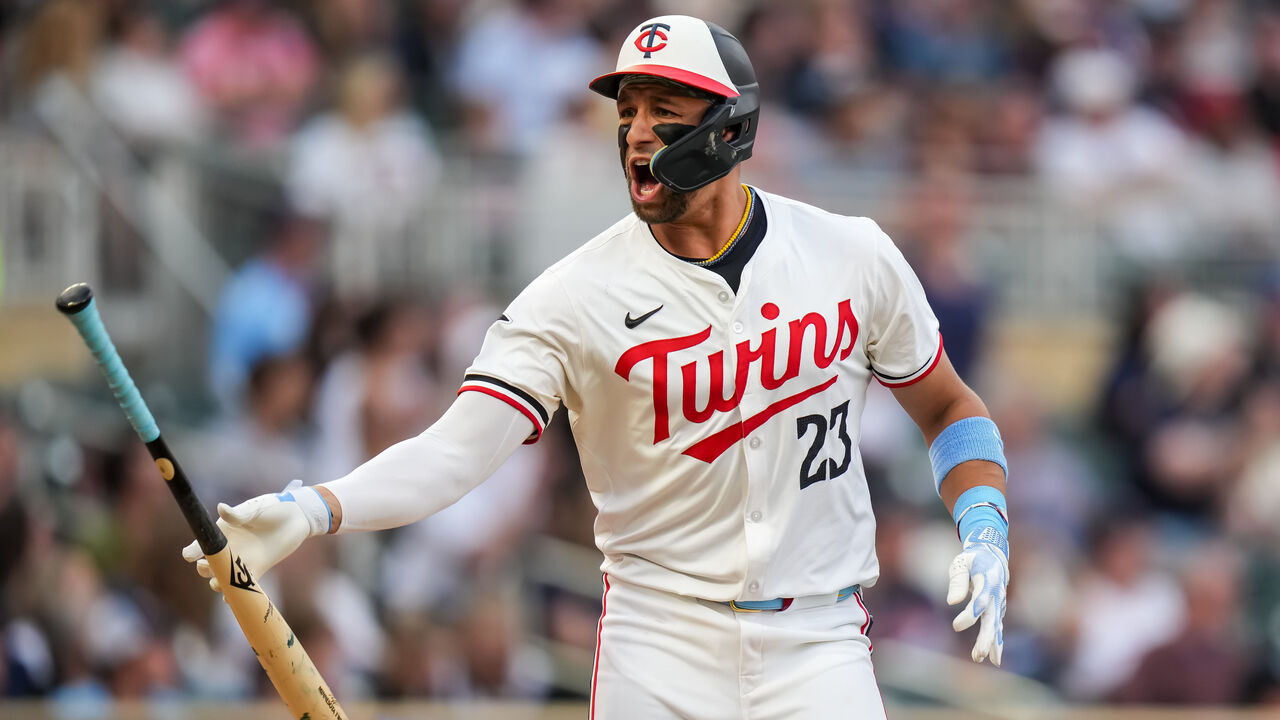
What it means for Dodgers: Los Angeles entered the winter needing to rebuild its bench following the departures of several veterans. Lewis, the No. 1 pick in 2017, failed to reach his full potential in five seasons with the Twins, and gets a fresh start with an organization that's had plenty of success with reclamation projects.
Lewis has struggled to stay healthy since breaking into the league, but is coming off a season in which he played a career-high 125 games. It was only the second time he's eclipsed the century mark in five seasons. The 27-year-old slashed .227/.287/.380 with 15 homers, 16 stolen bases, and a .667 OPS while seeing time at third, second, and first base. It marked a fourth straight year where he's seen his OPS decline since peaking with a .921 mark across 58 games in 2023. He isn't a great defender, though his versatility and right-handed power should open the door for playing time with the Dodgers.
With Shohei Ohtani taking up the DH at-bats, Lewis' ability to play both corner infield spots could be crucial, as the Dodgers look to get Max Muncy and Freddie Freeman of their feet during the regular season. Lewis coming with two years of team control also makes him an attractive acquisition. He's shown flashes of star power, and the hope is that landing in L.A. will finally allow him to tap into that ability more consistently.
What it means for Twins: Minnesota's been the busiest team to kick off the winter. After reuniting with Ryan Jeffers and Sonny Gray earlier in the week, the Twins spent Friday subtracting from the roster, dealing Lewis while also non-tendering Bailey Ober and Trevor Larnach. Those departures saved a projected $17 million in salary that can be used to reinvest in other areas.
Breakout seasons from Brooks Lee and Kody Clemens made Lewis expendable. Rather than deploy Lewis in a utility role moving forward, they opted to trade him for another former top prospect that's struggled to hit his ceiling in Miller.
The 27-year-old Miller was a first-round pick in 2020 and MLB's No. 24 prospect in 2023. Shoulder issues limited him to only 12 1/3 innings with the Dodgers over the last two seasons, as he's split time between starting and the relief. It's unknown what role he'll serve in Minnesota, but given his lack of innings over the last few years, he'll likely open the year in the 'pen.
Miller's essentially been a two-pitch pitcher, and could thrive out of the bullpen with his elite velo and extension. He will need to harness in his location however, as he posted a 4.2 BB/9 in 17 1/2 innings in Triple-A last year. Miller was in tough to crack a job on the Dodgers roster moving forward, so a change of scenery should really benefit him as well.
Nov. 19
Rockies land starting pitching help from White Sox
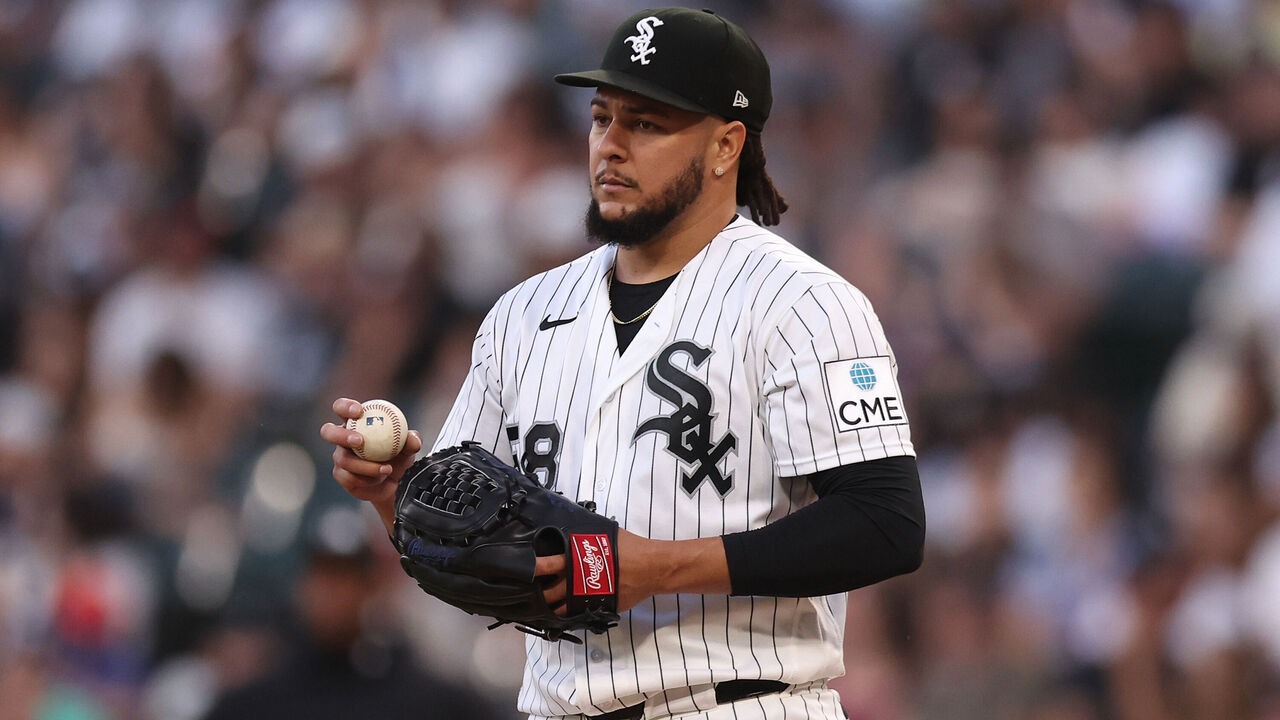
What it means for Rockies: If Colorado is to ever escape this perpetual rebuild, it's going to need to figure out its pitching staff. The Rockies are coming off four consecutive seasons with 100-plus losses, and a big reason for that is their lack of quality arms. The club has finished last in the majors in ERA in five straight seasons, and didn't have a single starter post an ERA under 5 in 2026. Pitching at altitude is certainly a factor, but the general lack of talent in the rotation and the inability to develop pitching are bigger symptoms of their organizational struggles.
Luis Castillo is coming off the worst season of his career, posting a 5.85 ERA, 1.49 WHIP, 7.7 K/9 and 1.7 HR/9 in 130 2/3 innings between the Mariners and White Sox. It's certainly a concern that Castillo will go to Colorado a season after producing the lowest ground-ball rate (35.3%) and highest fly-ball rate (43.4%) of his career. It's also probably not his preferred destination as he enters a potential contract year. But while Castillo isn't the All-Star pitcher he once was, he does offer the Rockies an ability to log innings. He's thrown at least 130 of them in each of the last four seasons, and he's made 30-plus starts in three of those.
The real reason the Rockies likely added Castillo was to land Martin. The 29-year-old is coming off the best season of his young career, posting a 3.95 ERA, 1.31 WHIP, and 122 strikeouts across 146 innings. He has four years of team control and isn't arbitration-eligible until next year. Martin gave up a lot of hard contact last season, but was able to keep the ball in the yard. He ranked 19th among starting pitchers (min. 140 innings) with a 0.9 HR/9. Colorado is always going to struggle to sign free-agent pitchers, and while neither Castillo nor Martin are likely to be star upgrades, both are serviceable starters that can produce MLB-quality innings. It's nice to see the Rockies willing to take on salary in order to essentially buy a controllable starter in an effort to actually improve.
What it means for White Sox: Just hours after unveiling Dustin May, Chicago traded its highest-paid pitcher in Castillo in a move that, hopefully, frees up money for another significant rotation piece. Castillo was a questionable acquisition at last season's trade deadline, and his subsequent 8.42 ERA over 31 innings - and eventual removal from the rotation - meant he would likely be dealt this winter. The fact that Chicago was able to find a taker for his full salary - even though it cost the club Martin - is a price Chris Getz was surely happy to pay.
The question now is what does Getz do next? May's ceiling projects him to be a mid-rotation arm, and Chicago needs a real impact pitcher to lead the staff. With a projected $118-million CBT payroll in 2027 and considerable money coming off the books after next season, Getz should have the flexibility to land at least one more marquee starter. This offseason is about raising the ceiling in Chicago and building off a shockingly successful 2026.
Nov. 18
Twins reunite with Gray
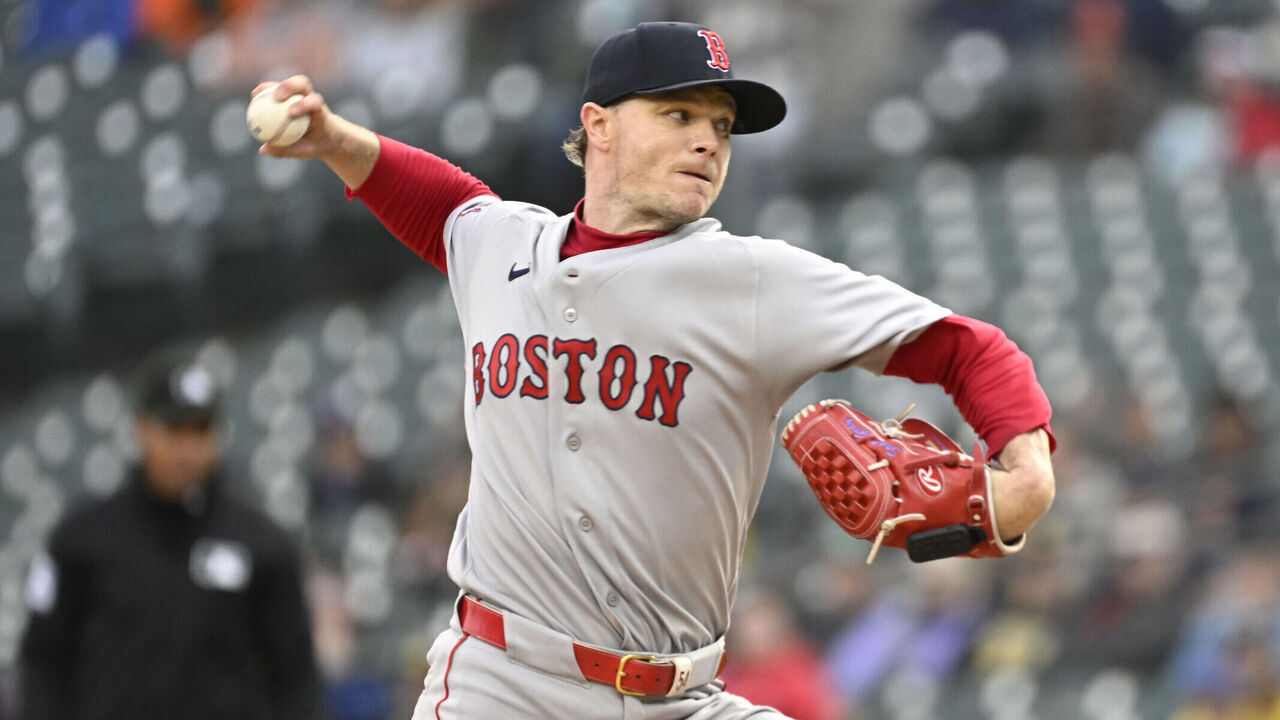
It looks like the Twins will attempt to be competitive in 2027 after going on a bit of a spending spree over the last 24 hours. Ryan Jeffers accepting the qualifying offer Tuesday represented a massive boost to their offense. Following that news with the addition of Sonny Gray on a two-year, $55-million contract sends a message to the clubhouse that any potential rebuild is on hold for a little longer.
Gray authored one of the finest seasons of his 14-year career in 2026 with the Red Sox, finishing fifth in Cy Young voting after posting a 2.72 ERA, 1.15 WHIP, and 3.47 FIP across 169 innings. Though his strikeout rate plummeted from 26.7% in 2025 to 21.8% in 2026, he still managed to rank in the 77th percentile in chase rate while inducing a 46% ground-ball rate. The 37-year-old won't overpower hitters with high velocity, but he combats that with an elite sinker and sweeper.
Gray spent two seasons in Minnesota from 2022-23 and finished second in AL Cy Young voting in 2023. He's clearly comfortable there, though it comes as a bit of a surprise that he wasn't more interested in signing with a team that's closer to contending for a World Series title. The Twins are coming off back-to-back losing seasons and have a roster likely built for one last run. Jeffers, Pablo López, Jeff Hoffman, Bailey Ober, Joe Ryan, and Trevor Larnach will be free agents at the end of next season, while Byron Buxton and Royce Lewis are set to hit free agency after the 2028 campaign.
Far too many times we've watched the Twins operate on the sidelines, so it's great to see an aggressive start to the offseason.
Royals, Mariners swing 6-player trade
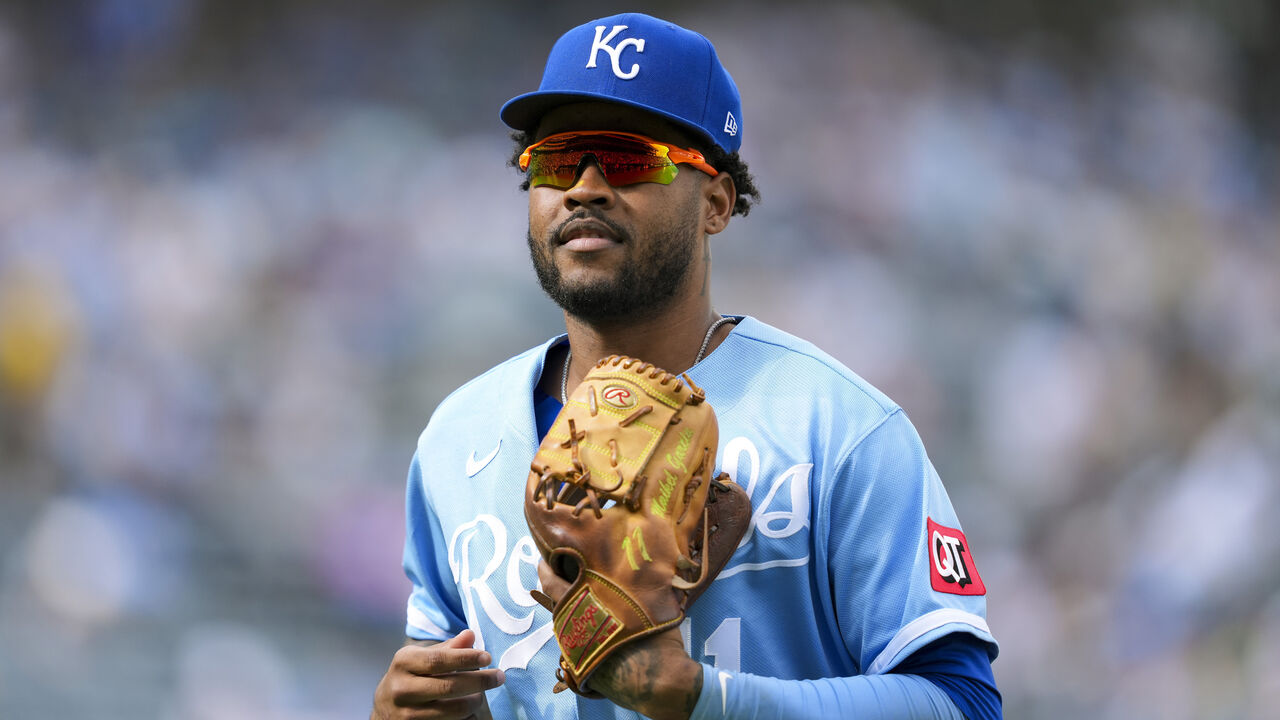
What it means for Seattle: Now this was a fun one. We'll focus on the headliners. The Mariners were guaranteed to land offensive help by dealing some of their abundance of starting pitching depth, but that bat being Maikel Garcia was a surprise. Garcia inked a five-year, $57.5-million extension in Kansas City prior to last season and immediately followed that up by winning World Baseball Classic MVP. He seemed to be a core piece of the Royals' future alongside Bobby Witt Jr., as the two were the only players with guaranteed contracts after the 2027 campaign.
Garcia took a step back offensively in 2026, slashing .268/.334/.381 with three homers and 20 doubles in 82 games. He missed considerable time due to hand and hamstring issues. But despite some regression, he remained an elite defender and a tough at-bat, ranking in the 86th percentile or higher in strikeout rate, chase rate, and whiff rate. Even though the Royals are in desperate need of pitching, it's shocking that they were willing to part with a player under an incredibly reasonable contract for a package headlined by Bryce Miller.
Garcia's skill set should fit really well in Seattle. The club ranked 27th in fWAR at third base last season. The addition of Garcia gives the Mariners a strong infield when paired with Colt Emerson, Brendan Donovan, Cole Young and Josh Naylor. His ability to make contact will provide a boost for a lineup that struck out the seventh-most times in baseball last season. Though he doesn't offer a lot of power, the Mariners should receive home runs from a number of other players, and diversifying the lineup is important. Considering Garcia's age and relatively inexpensive contract, the move should open the door for Seattle to add in other areas as well.
What it means for Kansas City: The deal makes less sense from the Royals' side. Sure, they lack controllable arms and had to upgrade their pitching after their starters posted the sixth-worst ERA in the majors last season. Miller is set to enter his age-28 season, is projected to earn $3.9 million in 2027, and has two additional years of arbitration. So, he at least checks those boxes. Miller is certainly an attractive piece and one that fits Kansas City's need from a roster and payroll standpoint.
The biggest problem, however, is that the Royals didn't exactly trade from a place of strength to address a weakness by exchanging offense for pitching. The club ranked 22nd in runs scored, and 16th in OPS last season. The lineup is pretty thin outside of Witt, Jac Caglianone, and Carter Jensen and doesn't have any room for subtraction.
Miller was a true breakout star in 2024, posting a 2.94 ERA, 0.98 WHIP, and 171 strikeouts in 180 1/3 innings. Since 2025, though, he owns a 4.82 ERA in 209 innings and has missed time with elbow inflammation and an oblique strain. Miller remains a very impressive pitcher, as his hard-hit rate and chase rate are elite. To truly justify the deal, Kansas City has to make another acquisition to replace Garcia and needs Miller to return to form.
Maybe Dustin May's contract scared the Royals away from free agency.
Nov. 17
White Sox bring in May with shocking deal
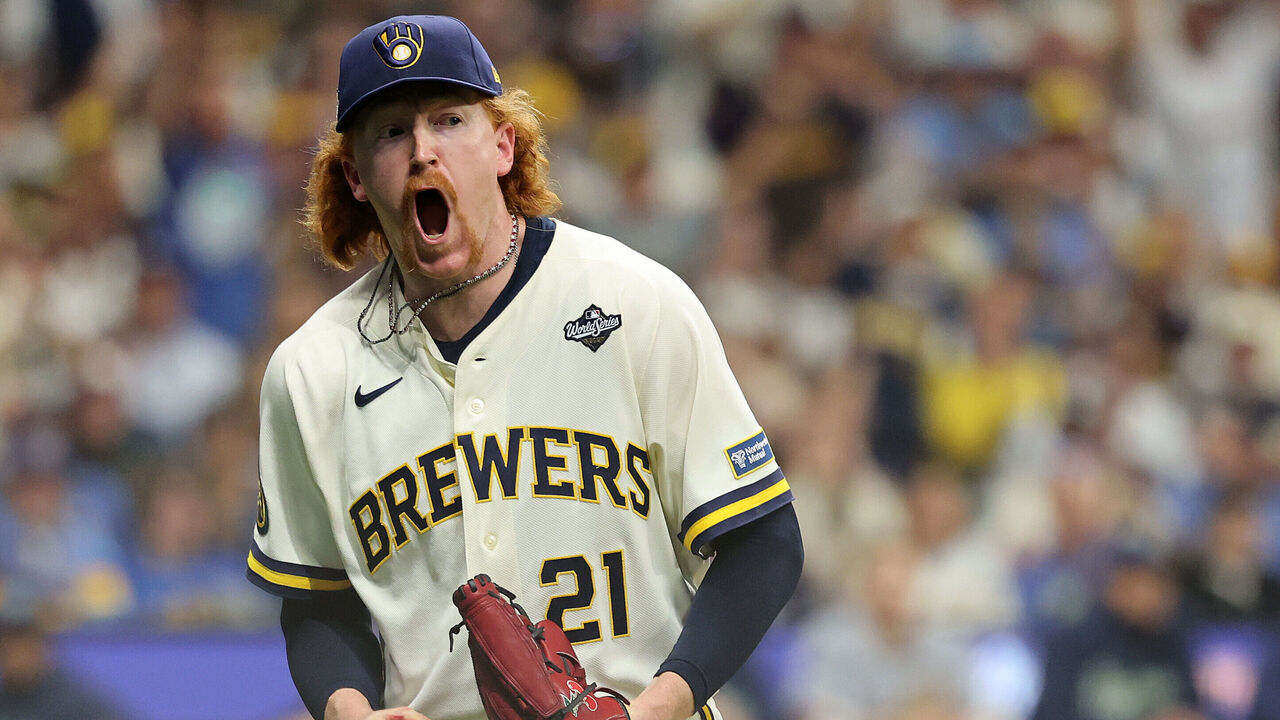
We might already have the biggest surprise signing of the offseason. May is coming off a year in which he split time between the Cardinals and Brewers while logging a career-high 145 2/3 innings. He's thrown at least 130 innings in each of his last two seasons since coming off Tommy John surgery but hasn't replicated the dominance he showed early in his career with the Dodgers.
Teams will always be enamored with May's stuff, and it's likely why the White Sox were willing to commit three years and $52.5 million to him. He's got big-time velocity and is only entering his age-29 season. Betting on upside is certainly fine, and maybe the White Sox can unlock something, but it's worth noting that Chicago will be May's fifth organization in three seasons, and teams with strong pitching structures (Dodgers, Red Sox, and Brewers) failed to get the best version of him.
For May to be effective moving forward, he'll need to start missing more bats. His 23.2 K% last season and 30.3% whiff rate weren't enough for a pitcher who ranked in the seventh percentile in hard-hit rate and the 14th percentile in average exit velocity. Opposing hitters hammered him far too often in 2026.
This is the offseason in which the White Sox should spend to complement a nice young core that took a huge step forward. The club can continue its rise by making multiple veteran additions. Let's just hope Chicago has plenty of payroll flexibility remaining and that it won't be held back by giving May and Luis Castillo over $40 million in 2027.
If anything, it shows that the starting pitching market will be competitive and guys are going to do very well.
Bednar accepts QO to remain in New York
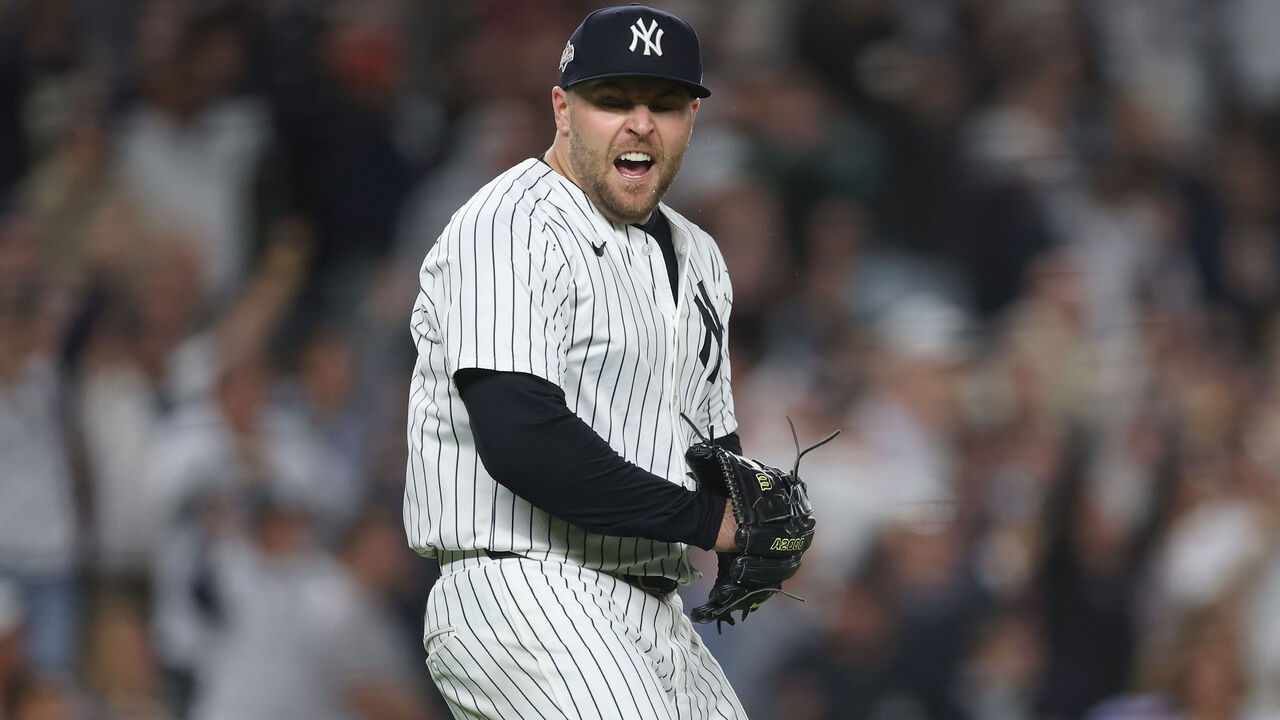
The Yankees' decision to extend the qualifying offer to Bednar certainly paid off. He's been an exceptional fit in the Bronx. Bednar is coming off a season in which he anchored the bullpen with a 2.47 ERA, 1.04 WHIP, and 76 strikeouts over 69 1/3 innings while converting 35 of 39 save opportunities.
Bednar's $23.15-million AAV eclipses Edwin Díaz's $23 million as the highest of any reliever in the majors. That's certainly a substantial sum, but it's one the Yankees are surely willing to pay instead of committing multiple years at a high term, which Bednar would've commanded had he declined.
Bednar's decision not to test the market is puzzling. He was easily the top free-agent reliever available, but then again, accepting such a substantial payday and then having the ability to re-enter the market next winter is more than enticing. Now the Yankees can focus on other parts of their roster rather than scrambling to find a closer.
Nov. 13
Bauers cashes in after career year with Red Sox
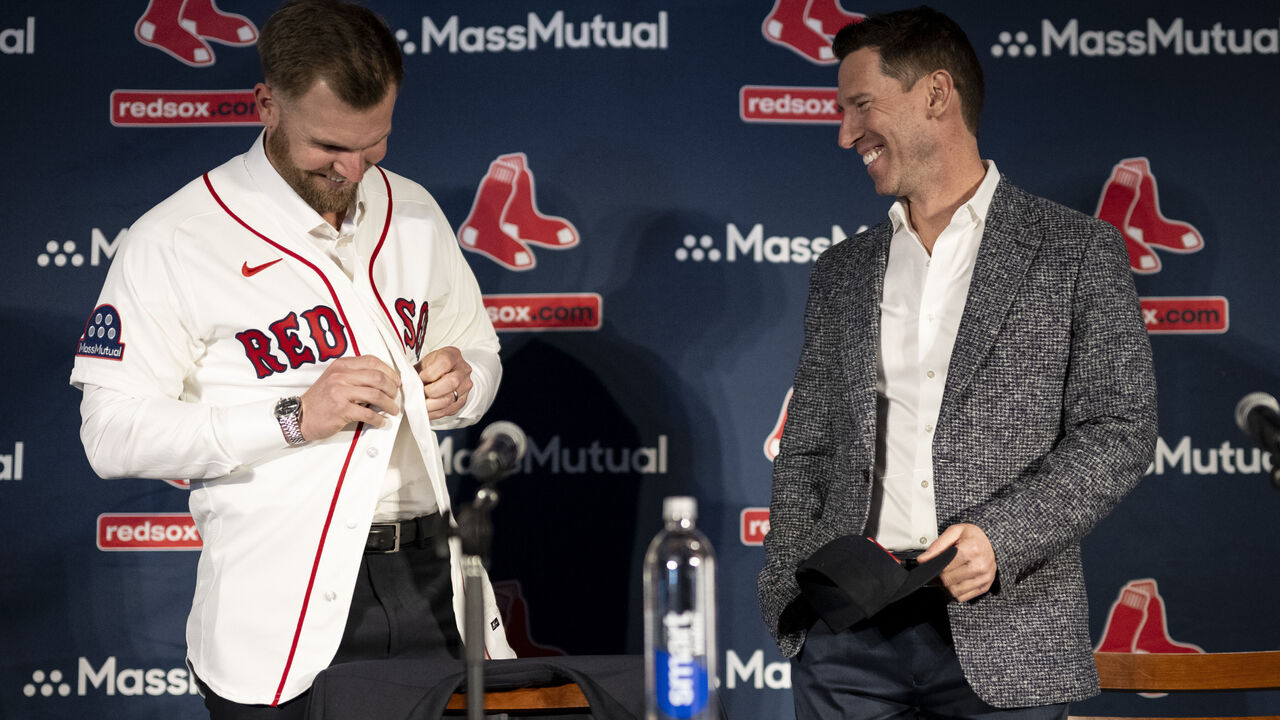
Consider Craig Breslow strongly in the camp of Jake Bauers believers.
Bauers went from a minor-league signing with the Brewers entering 2025 to cashing in on a four-year, $58-million contract with the Red Sox two seasons later.
It's an incredible story of resiliency and shows that with some adjustments, a baseball career can take off at any age. Boston is clearly of the opinion that Bauers' incredible 2026 season - a .266/.389/.484 slash line with 26 homers and a 143 wRC+ - is repeatable. While he might not replicate that production, he's likely to remain a very good hitter moving forward.
The Red Sox offense went completely dormant far too often last year, and it was a huge reason for their late-season struggles. Bauers won't fix everything, but he'll alleviate a number of their problems. The club lacked homers and quality plate appearances, two things Bauers brings to the table.
He ranked in the 90th percentile or higher in exit velocity, barrel percentage, hard-hit rate, bat speed, chase rate, and walk rate. Bauers also finished third in the majors in on-base percentage, and while he struck out 27% of the time, he still ranked 17th in the majors in pitches per plate appearance. Additionally, his ability to hit the ball to all fields should help at Fenway Park.
Bauers will primarily slot into the DH role while also seeing time at first base and in the corner outfield. That likely means Jarren Duran and Masataka Yoshida will play elsewhere next season. Yoshida's probably a sunk cost, but Boston should expect to get a decent return for Duran, even if his trade value took a hit after a down 2026 campaign.
Banking on a player breaking out at 31 doesn't come without risk, but even if Bauers regresses, he should be productive enough to justify his $14-million AAV.